Reviewing the Happy New Year T-shirt Design for Real Embroidery
As a designer who has spent countless hours staring at digitized files and watching needles dance across fabric, I have learned that not every graphic translates well into thread. When I first pulled up the Happy New Year T-shirt design on my screen, my immediate reaction was one of cautious optimism. The festive theme is always a high-demand category for small shop owners and Etsy sellers, but the devil is always in the details. Does this file hold up under the scrutiny of a 40x speed embroidery machine, or is it just another pretty picture that falls apart in production?
First Impressions and Visual Personality
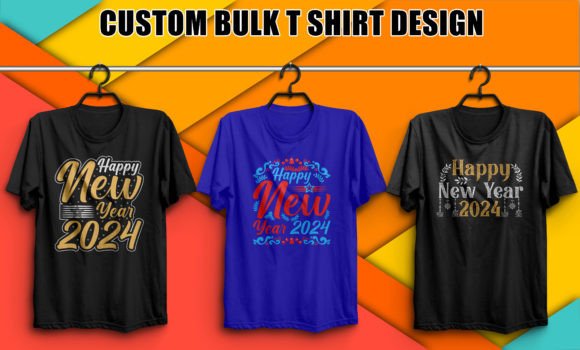
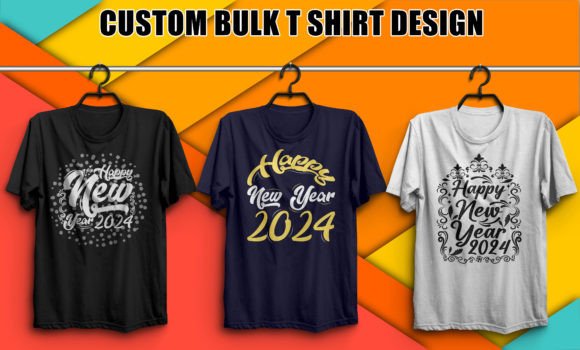
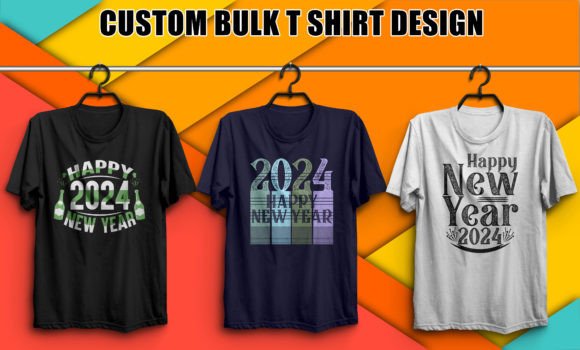
The mood of this design is celebratory yet approachable. It avoids the overly chaotic clutter that often plagues holiday graphics, opting instead for a layout that feels balanced. For an embroidery project, balance is critical. If the visual weight is too heavy on one side, the garment will twist during wear. This design seems to respect the center axis, which is a good sign for professional presentation.
The visual personality suggests versatility. It does not scream "cheap novelty item." Instead, it hints at a boutique quality that could elevate a standard cotton tee into a cherished keepsake. For craft business owners, this distinction is vital. You are not just selling a shirt; you are selling a feeling of celebration and new beginnings. The clean lines suggest that the digitizer likely utilized a mix of satin stitch for borders and fill stitch for larger areas, though only a test run can confirm the density.
Real-World Application: Beyond the Basic Tee
While the title specifies T-Shirt Designs, limiting this asset to only t-shirts would be a missed opportunity. In my recent workflow, I tested similar festive motifs on a variety of substrates to gauge their commercial viability. Here is how I see this design performing in real-life scenarios:
- Sweatshirt Embroidery: The thicker fabric of a crewneck sweatshirt provides an excellent base for this type of celebratory text. The loft of the fleece helps the stitches pop, giving the finished product a premium, tactile feel.
- Tote Bag Design: Canvas totes are huge sellers for New Year’s resolutions and party favors. The sturdy weave holds stitch density well, making this a practical choice for reusable gift bags.
- Baby Embroidery: If the scale allows, placing a smaller version on a onesie or baby blanket creates an adorable "My First New Year" keepsake. However, this requires careful attention to softness and backing choices.
- Embroidered Patch: Creating a standalone patch allows customers to apply the design to jackets or hats later. This adds value to your digital embroidery file offerings by providing multiple use cases.
For the Etsy seller or handmade shop owner, versatility equals profit. A single machine embroidery design that works on a pillow cover, a kitchen towel, and a cap is worth far more than one that only works on a flat piece of cotton.
Technical Considerations and Stitching Clarity
Before running this on a client’s expensive garment, I always advise a rigorous testing phase. The clarity of the text is paramount. Tiny lettering can easily become illegible if the stitch density is too high or if the thread color lacks contrast against the fabric texture. I recommend stitching out a test sample on scrap fabric that matches your intended final material.
Pay close attention to the corners and curves. Sharp angles in text often require precise tie-offs and jump stitches to prevent puckering. If the design uses a lot of satin stitch, ensure the width does not exceed the recommended limit for your needle size, usually around 7mm, to avoid snagging. For larger filled areas, check if the digitizer included underlay stitches. Proper underlay stabilizes the fabric and prevents the top threads from sinking in, which is crucial for maintaining a professional look on textured fabrics like towels or waffle-knit thermal shirts.
Fabric and Hoop Constraints
Not all fabrics behave the same way. Stretchy fabrics, such as jersey knits used in t-shirts, require a cut-away stabilizer to prevent distortion over time. Woven fabrics might do fine with tear-away, but for a permanent garment like a sweatshirt, I always lean towards cut-away for durability. If you are planning to embroider on dark fabric, consider using a lighter thread color for maximum visibility, or add a layer of white topping if the fabric pile is high, such as on fleece or velvet.
Hoop size is another critical factor. Ensure the design fits comfortably within your smallest available hoop if you plan to offer multi-size options. Crowding the edges of the hoop can lead to hoop burns and uneven tension, which ruins the aesthetic of the finished product.
Commercial Value and Brand Consistency
From a business perspective, the Happy New Year T-shirt design offers strong potential for buyer engagement. Holiday items are impulse buys, but they must look trustworthy. A sloppy stitch-out damages brand consistency and erodes customer trust. By taking the time to verify the embroidery file quality, you protect your reputation.
Use this design to create printable mockups for your online store. Show the design on different colored garments to help customers visualize the final result. High-quality photos of the actual stitched item, rather than just digital renderings, significantly increase conversion rates for small shop products. Customers want to see how the thread sits on the fabric.
Final Designer Notes
Before you list this as a commercial embroidery asset or use it for client work, double-check the license terms. Some digital embroidery files are for personal use only, while others allow for unlimited physical sales. Confirm this before investing time in production. Additionally, always check the file formats provided. Ensure you have the correct extension for your specific machine, whether it is PES, DST, JEF, or another format.
In summary, this design has the structural integrity and visual appeal to succeed in the competitive holiday market. It fits naturally into the realm of custom apparel and personalized gifts. Treat it with the technical respect it deserves—test your stabilizer, watch your tension, and choose your thread colors wisely—and it will serve as a reliable staple in your seasonal collection.