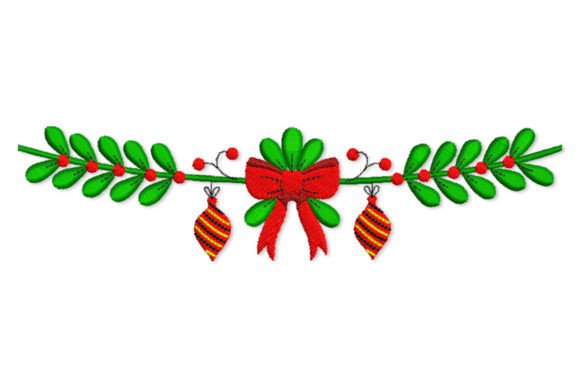
Reviewing the Christmas Holly Decoration for Real Stitching
As a designer who has spent countless hours staring at digitized files and watching needles punch through fabric, I have developed a keen eye for what works in the hoop and what looks better on a screen. When I first loaded the Christmas Holly Decoration into my software, I was not just looking for festive cheer; I was looking for structural integrity, stitch flow, and commercial viability. This is not just about holiday spirit; it is about whether this design will hold up on a customer’s favorite sweatshirt or a boutique tote bag after multiple washes.
First Impressions: Mood and Visual Personality
The immediate impression of the Christmas Holly Decoration is one of classic elegance rather than cartoonish whimsy. The layout feels balanced, with a natural curvature that mimics real botanical growth. For embroidery designers, this organic flow is crucial. It means the satin stitches likely follow the grain of the leaf, reducing puckering and ensuring a smooth finish. The visual personality is warm and inviting, making it an ideal candidate for projects that need to feel handmade and heartfelt rather than mass-produced.
I appreciated the detail level immediately. It strikes a difficult balance: enough complexity to look professional and high-value, but not so dense that it becomes a nightmare to stitch out on textured fabrics. This kind of restraint is rare in holiday designs, which often suffer from over-digitization. Here, the negative space is used effectively, allowing the thread colors to breathe and the fabric texture to contribute to the overall aesthetic.
Real-World Application: From Tote Bags to Sweatshirts
To truly evaluate a machine embroidery design, you must imagine it on actual products. I envisioned this holly motif centered on a heavy canvas tote bag. The robust nature of the holly leaves suggests they would stand up well against the coarse weave of canvas, providing a striking contrast. For a tote bag design, clarity is key, and this design delivers clean lines that remain visible from a distance.
Next, I considered sweatshirt embroidery. Placing this design on the left chest of a fleece-lined hoodie requires careful attention to stitch density. If the design is too dense, it can create a stiff patch that pulls at the fabric. However, the open structure of the holly berries and leaves in this file suggests it would lay flat on knit fabrics. It transforms a basic garment into a personalized gift that feels bespoke. For Etsy sellers and small shop owners, this versatility is a major selling point. You can offer it on aprons, kitchen towels, or even as a subtle accent on a nursery blanket.
For those creating embroidered patches, this design offers strong outlines that would hold up well to cutting and merrowing edges. It creates a distinct shape that is recognizable even when removed from its background fabric, adding value to craft business inventory.
Technical Considerations and Fabric Compatibility
While the design is versatile, there are scenarios where caution is required. Embroidery is a physical process, and physics always wins. On thin or stretchy fabrics, such as lightweight jersey or silk, the pull of the satin stitches could cause distortion. In these cases, using a high-quality cut-away stabilizer is non-negotiable. I would also recommend testing the stitch density on a scrap piece of the exact fabric you intend to use. If you are stitching on dark fabric, ensure your thread colors have enough contrast. A deep green on black may get lost, whereas a bright berry red will pop.
Curved surfaces present another challenge. If you plan to use this on a cap, be mindful of the hoop size and the curvature of the brim. Large, flat designs can wrinkle on curved hats. This holly design, being relatively compact, is actually well-suited for caps, provided you use a sturdy backing stabilizer to prevent the front panel from collapsing under the stitch weight.
Another critical factor is washing. Holiday items often get stored away and pulled out year after year. A well-digitized embroidery file should withstand this cycle. I advise checking the underlay stitches in your software. Proper underlay anchors the top stitches and prevents them from shifting during laundering. If the design relies heavily on fill stitches without adequate anchoring, it may loosen over time.
Enhancing Brand Value and Customer Trust
For commercial embroidery professionals, the quality of your design assets directly impacts your brand consistency. Using a polished, professional-looking Christmas Holly Decoration signals to customers that you care about details. It elevates the perceived value of the finished product. When a customer receives a holiday embroidery item that looks crisp and well-executed, they are more likely to return for future purchases and leave positive reviews.
This design also works beautifully for printable mockups and digital previews. Because the shapes are clear and distinct, they translate well into 2D representations for your online store. This helps digital product sellers showcase their work effectively, driving buyer engagement before the item is even stitched.
Practical Designer Notes for Best Results
Before you commit to a large production run or a high-stakes client gift, follow these practical steps:
- Test on Scrap Fabric: Always stitch a sample on the same material and weight you plan to use for the final product. This reveals any tension issues or puckering.
- Check Thread Contrast: View your design in black and white within your embroidery software. If the elements blend together, adjust your thread palette for better separation.
- Verify Hoop Size: Ensure the design fits comfortably within your hoop with adequate margin for framing. Do not push the design to the very edge.
- Inspect Small Details: Zoom in on the berry clusters and leaf tips. Are there tiny jumps or unnecessary trims? Clean up the path if necessary to reduce thread breaks.
- Confirm Licensing: If you are selling small shop products or custom apparel, verify the license terms of the digital embroidery file. Ensure you have the right to sell finished items commercially.
- Use Proper Stabilizer: Match your stabilizer to your fabric. Tear-away for stable wovens, cut-away for knits and stretchy materials.
In conclusion, the Christmas Holly Decoration is a strong contender for your holiday lineup. It offers the right mix of traditional charm and technical practicality. Whether you are an experienced apparel decorator or a hobbyist making gifts for family, this design provides a reliable foundation for beautiful, lasting embroidery. Just remember to respect the fabric, trust your test stitches, and let the quality of your craftsmanship shine through.