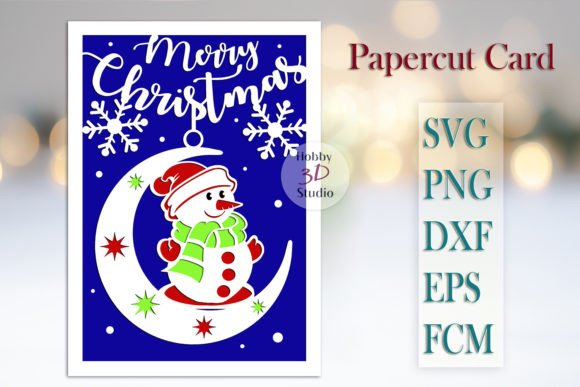
Reviewing Merry Christmas Card Paper Cut Templates
As a designer who has spent countless hours digitizing and stitching out holiday motifs, I approach every new machine embroidery design with a mix of excitement and skepticism. The market is flooded with generic snowflakes and Santa hats, so when I encountered the Merry Christmas Card Paper Cut Templates, I was curious to see if it offered something distinct for modern crafters. This isn’t just about downloading an embroidery file; it is about understanding how a digital asset translates into a tangible, high-quality finished product that customers will love.
The Aesthetic: Clean Lines Meets Holiday Warmth
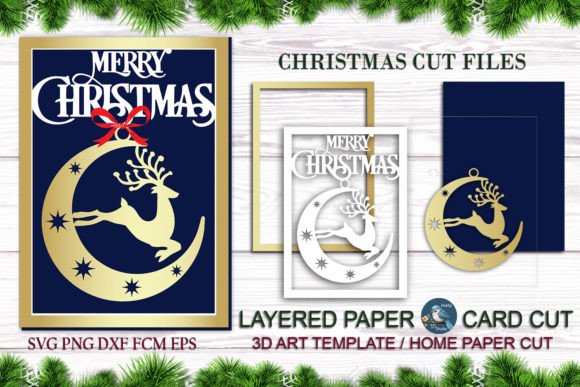
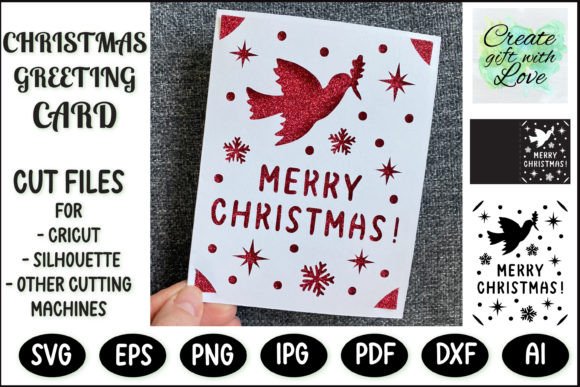
The first impression of the Merry Christmas Card Paper Cut Templates is one of refined simplicity. Unlike traditional heavy-fill designs that can look bulky on fabric, this template mimics the delicate art of paper cutting. The visual personality is crisp, relying on negative space and clean outlines rather than dense saturation. For an Etsy seller or boutique owner, this aesthetic is gold. It feels contemporary and sophisticated, moving away from the cluttered look often associated with mass-produced holiday decor.
The mood it creates is nostalgic yet fresh. It evokes the feeling of handmade holiday cards from childhood but elevates it for adult consumers. When I visualize this on a tote bag design or a minimalist sweatshirt, it doesn’t scream "holiday"; it whispers it. This subtlety is crucial for creating custom apparel that people want to wear beyond December 25th. The layout is balanced, ensuring that the eye travels smoothly across the design without getting stuck on overly complex corners.
Real-World Application: From Digital File to Stitched Reality
To truly evaluate the Merry Christmas Card Paper Cut Templates, I imagined a specific real-life scenario: preparing a batch of premium linen tea towels for a local craft fair. These aren’t just any towels; they are meant to be heirloom-quality personalized gifts. Here, the design’s performance matters immensely.
On a textured fabric like linen, a design with too much stitch density can cause puckering or distort the weave. However, because this template relies on open spaces and likely utilizes running stitch or light satin stitch borders, it sits beautifully on the fabric surface. It doesn’t weigh the material down. If you were to use this for sweatshirt embroidery, the result would be soft and flexible, avoiding that stiff, cardboard-like feel that plagues many holiday garments.
For those running a craft business, versatility is key. This design works exceptionally well for embroidered patch creation. The clear boundaries make it easy to cut and apply as an iron-on or sew-on badge. It also translates well to baby embroidery projects, such as onesies or nursery wall hangings, provided you scale it appropriately. The lack of tiny, fragile details means it can withstand the gentle washing required for infant items better than intricate lace-style designs.
Navigating Technical Challenges and Fabric Choices
While the Merry Christmas Card Paper Cut Templates is versatile, it is not without its technical demands. As an experienced reviewer, I must highlight where caution is needed. Because the design mimics paper cuts, it likely features sharp angles and thin connecting lines. On stretchy fabrics like jersey knits used in t-shirts, these fine lines can break or distort if the stabilizer isn’t chosen carefully. A cut-away stabilizer is often safer than tear-away for these types of detailed outlines to maintain integrity after washing.
Another consideration is thread colors. High contrast is your friend here. If you stitch white thread on white fabric, the nuance of the paper-cut effect might get lost. Conversely, using a metallic thread could add a festive shimmer but might increase friction and breakage if the machine speed is too high. I recommend testing the design in black and white mockups first to ensure the silhouette remains recognizable even without color variation.
Be mindful of hoop size limitations. If you are scaling the design down for a small cap or a child’s mitten, ensure that the smallest details do not become so tiny that the needle perforates the fabric excessively, creating holes rather than stitches. Always check the minimum recommended size in the file documentation before committing to a production run.
Enhancing Brand Value and Customer Trust
Why does this matter for your bottom line? In the world of commercial embroidery, perceived value is everything. A clean, well-executed design like the Merry Christmas Card Paper Cut Templates signals professionalism. It tells the buyer that you care about quality and aesthetics. This builds trust, which is essential for repeat customers in a small shop product environment.
When you use this design for holiday embroidery collections, it allows for cohesive branding. Imagine a suite of products: a tote bag, a pillow cover, and a kitchen apron, all featuring variations of this paper-cut motif. The consistency creates a recognizable brand identity. Furthermore, because the design is visually striking in photos, it performs well in printable mockup previews for online listings. Clear, crisp images drive clicks and conversions for digital embroidery file sellers and physical goods alike.
Practical Notes for the Embroidery Designer
Before you load this into your machine, take a moment to review the technical specs. Since I am reviewing the concept and visual application, I cannot provide exact stitch counts or specific format compatibility. You must verify these details in the product description. Check if the file includes multiple formats compatible with your specific machine brand.
- Test on Scrap Fabric: Always stitch a sample on the same type of fabric you intend to use for the final product. This reveals any tension issues or density problems.
- Check Thread Contrast: Ensure your thread choice highlights the paper-cut effect. Matte threads often look more authentic to the paper aesthetic than shiny rayon.
- Inspect Small Details: Zoom in on the digitized file. Look for jump stitches that might need trimming or areas where the stitch direction might cause pulling.
- Confirm Licensing: If you plan to sell items made with this design, confirm whether the license allows for commercial use of finished goods. Some designers restrict the sale of digital files but allow physical products.
- Use Proper Stabilizer: Match your stabilizer to the fabric weight. Lightweight fabrics need strong support to prevent the open areas of the design from distorting.
In conclusion, the Merry Christmas Card Paper Cut Templates is a thoughtful addition to any designer’s library. It bridges the gap between traditional holiday cheer and modern design sensibilities. For the handmade product creator, it offers a reliable, attractive option that enhances the value of custom apparel and home decor. By paying attention to fabric choice, stabilization, and thread selection, you can transform this digital asset into a standout piece that delights customers and elevates your brand.