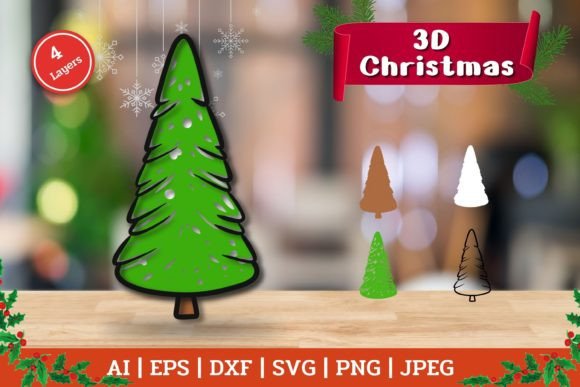
Reviewing the 3D Layered Christmas Tree Design
As a designer who has spent countless hours staring at digitizing software and watching needles dance across fabric, I have learned that not every festive graphic translates well into thread. When I first pulled up the 3D Layered Christmas Tree file, my initial reaction was one of cautious optimism. The concept of layering to create depth is popular in modern embroidery, but it often comes with technical pitfalls. This design, categorized under Winter Amp, promises a dimensional look that stands out from flat, traditional holiday motifs. But does it hold up under the needle? Let’s break down how this design performs in real-world applications.
First Impressions and Visual Mood
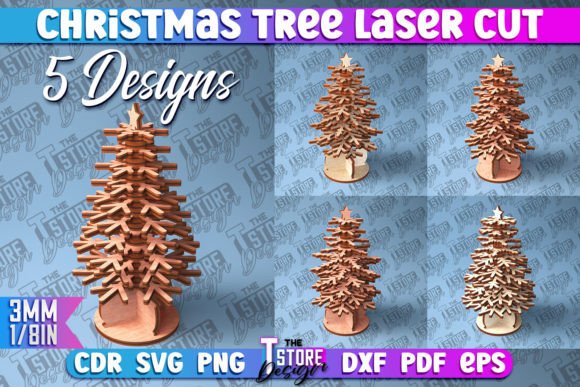
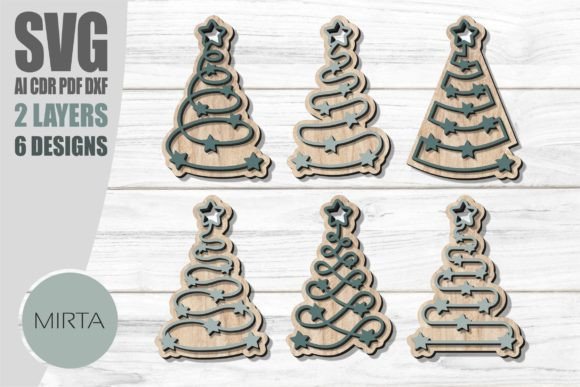
The immediate appeal of the 3D Layered Christmas Tree lies in its structural simplicity combined with visual complexity. Unlike dense, photorealistic trees that require thousands of stitches and heavy stabilizer, this design uses strategic overlapping shapes to imply volume. The mood is contemporary and clean, making it suitable for modern home decor rather than just traditional holiday kitsch. For an Etsy seller or small shop product creator, this aesthetic is crucial. It feels fresh, which helps your handmade product stand out in a saturated market of generic snowflakes and red-and-green clichés.
The layout suggests a thoughtful approach to stitch density. By using layers rather than solid fills, the design avoids the "cardboard" effect that plagues many large holiday embroideries. This openness allows the fabric texture to breathe, which is essential for maintaining the softness of items like baby clothes or high-quality towels.
Real-World Application: The Custom Tote Bag Test
To truly evaluate a machine embroidery design, you must imagine it on a specific product. I recently considered this design for a line of canvas tote bags intended as holiday gifts. Canvas is a sturdy fabric, but it can be unforgiving if the stitch count is too high or the pull compensation is off. The 3D Layered Christmas Tree worked exceptionally well here. The layered approach meant that the tension was distributed across multiple smaller areas rather than one massive block of stitching. This reduced the risk of hoop burn and fabric distortion.
For custom apparel, such as a crewneck sweatshirt, the design offers excellent versatility. On a heather grey fleece, the layers created a subtle shadow effect that looked intentional and high-end. Customers often associate complex-looking designs with higher value, and this embroidery project delivers that perception without requiring hours of machine time. It is an ideal candidate for sweatshirt embroidery where comfort and durability are key selling points.
Navigating Fabric and Hoop Constraints
While the design is robust, it is not without its limitations. Any experienced craft business owner knows that context is everything. Here is where you need to exercise caution:
- Small Hoop Sizes: If you are working with a 4x4 inch hoop, ensure the smallest layer of the tree remains legible. Tiny details can get lost or become messy if the needle jumps are too frequent in a confined space.
- Stretchy Fabrics: For baby embroidery on onesies, the layered structure requires precise stabilization. Without a proper cut-away stabilizer, the shifting layers could cause registration issues, where the colors do not align perfectly.
- Dark Fabrics: If you are stitching on black or navy, consider using a white underlay or adjusting your thread colors for maximum contrast. The depth of the 3D effect relies on seeing the separation between layers, which can vanish if the thread blends too much with the background.
- Curved Surfaces: Applying this to a cap or curved hat brim requires careful hooping. The flat nature of the layered design might distort slightly on highly curved surfaces, so test on a scrap piece first.
For textured fabrics like terry cloth towels, the design holds up well because the open areas prevent the stitches from sinking into the pile. However, always use a topping stabilizer to keep the stitches sitting on top of the loops for crisp definition.
Enhancing Brand Value and Customer Trust
From a business perspective, the 3D Layered Christmas Tree is more than just a pretty picture; it is a tool for brand building. Consistency in design quality builds trust. When a customer receives a personalized gift featuring clean, well-executed stitching, they are more likely to return. This design supports that goal by minimizing common errors like thread breaks or bird nests, provided your machine is well-maintained.
Using this design in your printable mockup previews can also boost engagement. The dimensional look photographs beautifully, allowing potential buyers to visualize the finished product clearly. Whether you are selling digital embroidery files or physical goods, the professional appearance of this asset elevates your entire catalog. It signals that you care about detail, which justifies premium pricing for your commercial embroidery services.
Practical Designer Notes for Success
Before you commit to a full production run, follow these practical steps to ensure the best results with the 3D Layered Christmas Tree:
- Test on Scrap Fabric: Always stitch a sample on the exact fabric type you plan to use. Check for puckering or pulling.
- Check Thread Contrast: Use contrasting thread colors for each layer to emphasize the 3D effect. Monochromatic schemes can work, but they require precise tension control to show depth.
- Review Stitch Density: If your machine struggles with dense areas, consider reducing the density slightly in your editing software, though the original digitizing should be optimized already.
- Confirm Licensing: If you are an Etsy seller or run a boutique, verify the license terms of the embroidery file. Ensure it allows for commercial use of finished items if you plan to sell products featuring this design.
- Mockup in Black and White: Convert your preview to grayscale to check if the layers are distinct enough without color reliance. This helps identify potential visibility issues on low-contrast fabrics.
In conclusion, the 3D Layered Christmas Tree is a versatile and professionally viable asset for modern makers. It balances aesthetic appeal with technical practicality, making it suitable for a wide range of projects from tote bag designs to embroidered patches. By understanding its strengths and respecting its limitations regarding fabric and hoop size, you can create stunning holiday items that delight customers and enhance your brand reputation. Remember, great embroidery is not just about the design itself, but how thoughtfully it is applied to the medium.