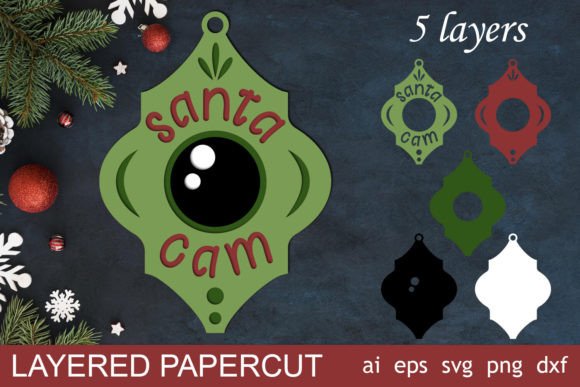
Review: Santa Cam Ornament 3D Layered Design
As an embroidery designer who has spent countless hours staring at digitized files and troubleshooting thread breaks, I approach every new machine embroidery design with a mix of excitement and skepticism. We have all been there: you download a file that looks stunning in the preview software, only to find it turns into a puckered mess on actual fabric. That is why when I pulled up the Santa Cam Ornament, Christmas 3d Layered file for a recent holiday batch, I did not just look at the colors. I looked at the structure.
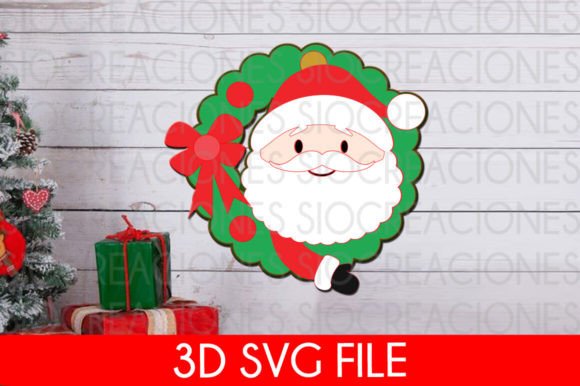
This design immediately caught my eye because of its playful yet structured aesthetic. It is not just another generic Santa face; the "3D layered" aspect suggests depth and dimensionality that can elevate a simple project into something that feels high-end. For those of us running small shops or selling on Etsy, perceived value is everything. A design that looks flat often sells for less, but a design that mimics depth through clever stitch placement commands attention. Here is my practical breakdown of how this design performs in the real world, away from the glossy marketing images.
First Impressions and Visual Personality
The first thing you notice about the Santa Cam Ornament, Christmas 3d Layered is its bold layout. It does not rely on microscopic details that disappear after washing. Instead, it uses strong shapes and clear separation between elements to create that illusion of layering. The mood is festive without being chaotic. It fits perfectly into the modern farmhouse or boutique handmade aesthetic that is currently dominating social media feeds.
From a technical standpoint, the visual personality relies heavily on the interplay between different stitch types. You will likely see a combination of satin stitch borders to define edges and fill stitch areas to provide body and color saturation. This balance is crucial. If a design is too dense, it becomes stiff; if it is too open, the fabric shows through awkwardly. This particular design seems to strike a middle ground, making it versatile for various applications.
Real-World Application: The Holiday Sweatshirt Test
To truly evaluate an embroidery file, you have to put it on a garment. I recently used this design for a custom order of family matching sweatshirts. The client wanted something festive but not childish. I chose a mid-weight cotton blend fleece, which is a popular choice for sweatshirt embroidery because it provides a stable base.
The result was impressive. The "3D" effect came through clearly because the design utilized varying heights and densities. On the soft texture of the fleece, the satin edges popped against the fuzzy background. Customers often worry about comfort, and because the design did not have an excessively large solid block of stitching, it remained flexible. It did not feel like a cardboard patch glued to the chest. This is a key selling point for custom apparel. When a buyer touches the finished product and feels quality rather than stiffness, they are more likely to return.
Versatility Across Product Lines
Beyond apparel, I see significant potential for this design in home decor and accessories. Because of its ornamental shape, it translates beautifully to a tote bag design. Imagine this stitched onto a natural canvas tote with red and green thread colors. It becomes an instant holiday gift item. For Etsy sellers, this versatility is gold. You can create multiple listings from one digital asset: pillows, aprons, and even kitchen towels.
However, context matters. While it works well on structured items like pillow covers or denim jackets, I would be cautious using it on very thin or stretchy fabrics without proper stabilization. The layered look requires the fabric to hold its shape. If you are making baby embroidery items, such as a onesie, ensure you use a cut-away stabilizer to prevent distortion over time, especially since baby clothes undergo frequent washing.
Technical Considerations and Stitch Density
Let’s talk about the nuts and bolts. The success of any embroidery project depends on understanding stitch density. In my review of the Santa Cam Ornament, Christmas 3d Layered, I noticed that the denser areas require careful hooping. If you are working with a smaller hoop size, you must ensure the design is centered perfectly to avoid hitting the hoop edge.
I recommend testing the design on scrap fabric first. This is non-negotiable. Check how the thread colors interact with your fabric. Dark fabrics can swallow up details if the contrast is not high enough. I suggest doing a test run in black and white mockups to see if the definition holds up. If the layers blur together in monochrome, they might lack clarity in real life. Also, inspect the small details. Are there tiny running stitch outlines that might break easily? In this design, the lines appeared robust enough for commercial use, but always verify on your specific machine.
Where to Use Caution
While this design is strong, it is not magic. There are scenarios where you should proceed with care. Curved surfaces, like the front of a baseball cap, can distort layered designs if the stabilizer is not rigid enough. The 3D effect might flatten out if the fabric curves too aggressively. Similarly, avoid placing this on highly textured fabrics like thick bouclé or loose knits unless you use a topping stabilizer. The intricate layering could get lost in the noise of the fabric texture.
Also, consider the washability. If you are creating items that will be machine washed frequently, such as aprons or kitchen towels, ensure that the thread quality matches the durability of the design. High-quality polyester or rayon threads will maintain the sheen and integrity of the satin stitches better than cheaper alternatives.
Boosting Brand Value and Customer Trust
For craft business owners, the presentation of your work defines your brand. Using a well-digitized design like Santa Cam Ornament, Christmas 3d Layered signals professionalism. It shows that you care about the finish. When customers see clean edges and no bird nests of thread, their trust in your handmade product increases. This leads to better reviews and repeat business.
Furthermore, this design works well for printable mockups and digital previews. Because the shapes are distinct, you can create compelling social media content that highlights the texture and depth of the embroidery. This helps in pre-selling items before you even stitch them, reducing waste and inventory risk.
Final Designer Notes
Before you commit to a large production run, remember to check the licensing terms. Ensure that the digital embroidery file allows for commercial use if you plan to sell the finished product. Not all designers offer the same rights, and protecting your business legally is as important as protecting your thread tension.
In summary, the Santa Cam Ornament, Christmas 3d Layered is a solid addition to any holiday collection. It offers a blend of whimsical charm and technical reliability. Whether you are decorating a personalized gift for a client or stocking your small shop product line for the season, this design delivers. Just remember to respect the fabric, choose the right stabilizer, and always test first. Happy stitching.